
Ghanaians, Must We Break Up with Koobi and Momoni? 😭
Koobi and momoni may give Ghanaian meals their irresistible flavour—but a Korle Bu heart specialist says too much could raise sodium intake and increase the risk of high blood pressure.
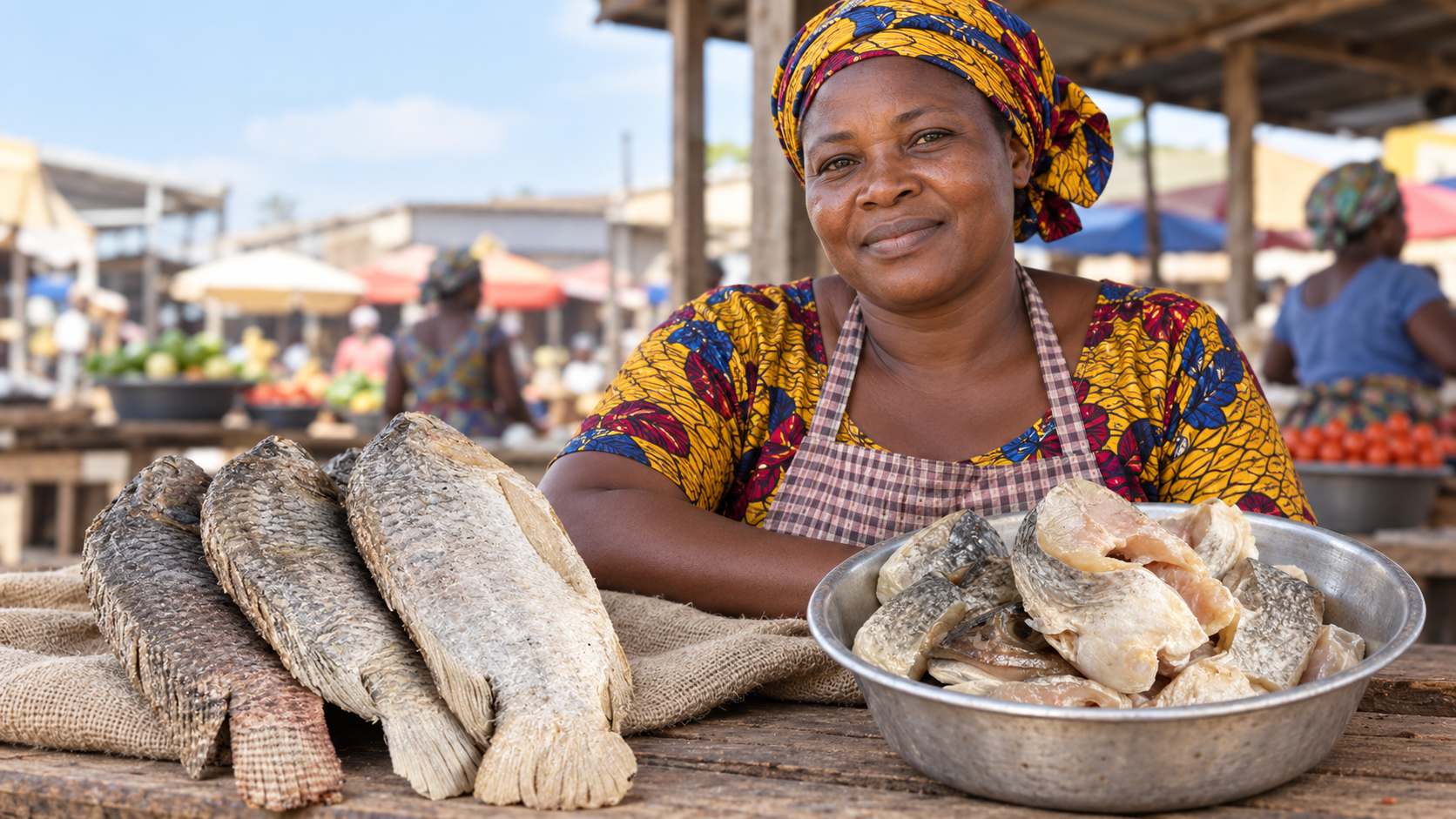
Koobi in kontomire stew. Momoni giving that pot of soup the unmistakable aroma that announces itself before lunch is ready.
For many Ghanaians, these salted fish are not ordinary ingredients—they are the secret behind the flavour. But must our taste buds and blood pressure now sit down for peace talks?
Before anybody hides the koobi, relax: the doctor's message is moderation, not a complete break-up.
Why the warning?
Dr Albert Agbi, a Physician Specialist and Cardiology Fellow at the Korle Bu Teaching Hospital, has warned that excessive consumption of koobi and momoni can significantly increase sodium intake.
Sodium makes the body retain more fluid. That can increase the volume of blood moving through the blood vessels and place extra pressure on them—contributing to high blood pressure in people who consume too much salt, particularly those already at risk.
The warning matters because a systematic review of Ghanaian studies estimated hypertension prevalence at about 30.3 per cent—roughly three in every ten people. Many people with hypertension may feel perfectly well, which is why it is often described as a silent threat.
So, should we stop eating them?
No—not necessarily. Dr Agbi did not call for Ghanaians to abandon koobi and momoni completely. His advice was to enjoy them in moderation and pay attention to the total amount of salt in our meals.
That means using smaller quantities, avoiding extra salt when the fish has already flavoured the dish, eating more fruit and vegetables, exercising regularly and checking your blood pressure—especially if hypertension runs in your family.
He also encouraged potassium-rich foods such as bananas and fresh coconut water as part of a balanced diet. People with kidney disease or other medical conditions should, however, seek individual dietary advice before deliberately increasing potassium intake.
So no, Ghana: this may not be the end of our relationship with koobi and momoni.
But perhaps it is time to stop allowing them to control the entire relationship. Small koobi, plenty vegetables—and please, check your blood pressure.
Sources and health note
This article draws on Dr Albert Agbi's comments reported by Pulse Ghana and a peer-reviewed systematic review of hypertension prevalence in Ghana. It provides general health information and is not a substitute for personal medical advice.
Reader conversation
What do you think?
Like this article or add your voice to the discussion. Comments are reviewed before publication.



Comments 0
Loading comments…