
You Lent Your Car to a Friend. Who Gets the TRAFFITECH-GH Notice?
If someone else drives your car past a traffic camera, the notice may reach you first. The Police explain how ownership records and evidence checking work.
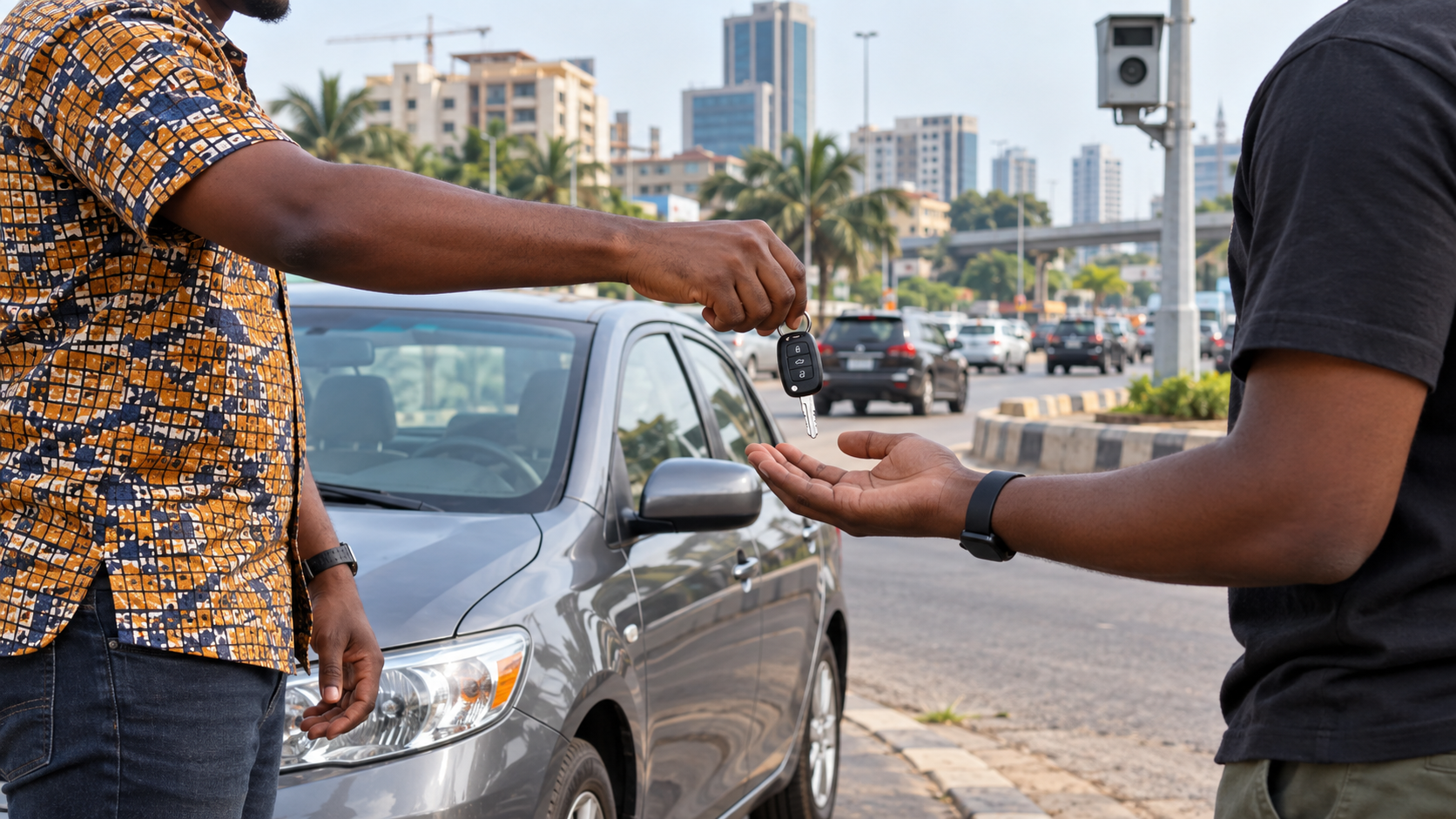
“Boss, lend me your car small.” It is an ordinary request. But with Ghana’s TRAFFITECH-GH camera enforcement set for full implementation on 1 October 2026, vehicle owners have a practical reason to think about who is driving—and whether their registration details are current.
The Ghana Police Service says a detected event is reviewed before an Electronic Notice of Violation (ENV) is issued. The government’s announcement says the SMS notice may go to a vehicle owner or driver and will identify the alleged offence and prescribed fine. The Police’s TRAFFITECH-GH guidance says the registered owner remains liable regardless of who was driving.
If your friend was driving
The camera can identify the vehicle and its registration; it does not know the private arrangement by which the keys changed hands. If an ENV arrives, do not assume that saying “I was not the driver” makes the notice disappear. Check the registration, time, place and alleged offence against the journey. Ask the person who borrowed the car what happened and preserve any information that could help resolve a genuine mistake.
The Police guidance directs recipients to check the ticket number and photo or video evidence on Ghana.gov. Where a notice is wrong, use the official process to contest it within the stated period. Do not ignore it or send money to a private number or an unverified payment link. The owner’s liability and any question about the driver’s conduct need to be handled through the proper process, especially where a case goes to court.
Three checks before handing over the keys
- Know who will drive. Make sure the borrower has an appropriate valid licence and understands that road rules apply throughout the journey.
- Agree when and where the car will be used. Keep a basic record of who has it and the return time; that can help you check a notice later.
- Keep the vehicle’s records current. Check that DVLA registration and contact information are accurate so a genuine notice does not go to an old number or a previous owner.
This is about accountability, not refusing every loan. A registered owner should be able to identify the journey, review the official evidence and respond promptly if the system flags the car. For the amounts that may appear on an automated notice, see our explanation of camera fines and wider road-traffic penalties.
Sources
Ghana Police Service, TRAFFITECH-GH guidance on registered owners, tickets and evidence; Information Services Department, Police rollout announcement, 16 September 2026.
Reader conversation
What do you think?
Like this article or add your voice to the discussion. Comments are reviewed before publication.

Comments 0
Loading comments…