
Having Tinted Glass Can Put You in Trouble If You Don’t Know Ghana’s Rule
A tinted front windscreen is an offence under Ghana’s 2026 road regulations. Here is what the 70% light-transmittance figure means—and why drivers should check the actual glass.
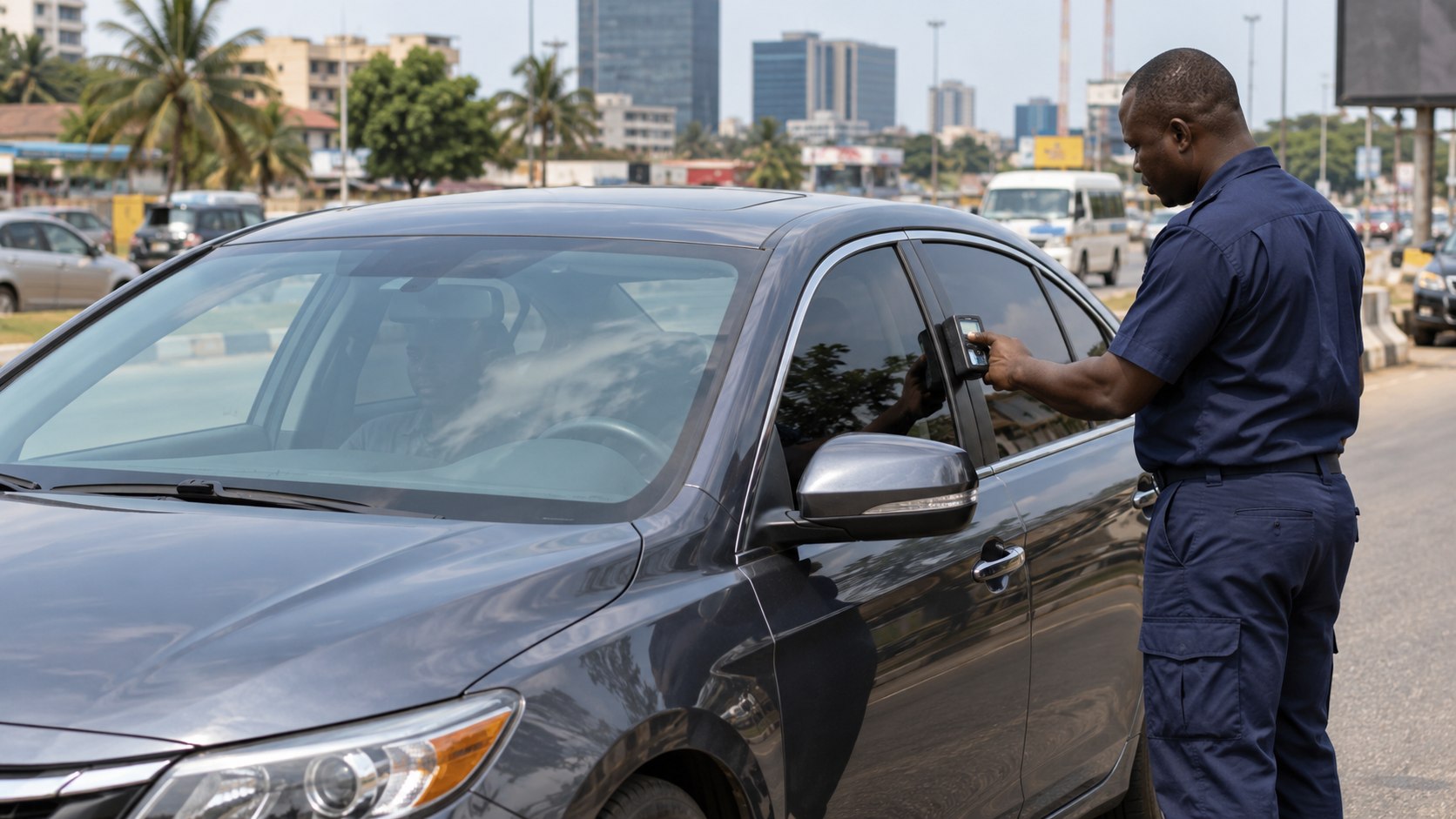
That dark glass may look good on your car. But do you know how much light it lets through—and whether the front windscreen is allowed to be tinted? Ghana’s road rules make a distinction that many motorists miss.
The front windscreen is the clearest rule
Under Regulation 92 of the Road Traffic Regulations, 2026 (L.I. 2519), driving with a tinted front windscreen is listed as an offence. A published breakdown by D/Sgt. Nana Kwadwo Otibu-Gyan of the Ghana Police Service’s Legal and Prosecution Unit gives the penalty range as 25–50 penalty units (GH¢300–GH¢600), imprisonment for one to three months, or both. Those are possible penalties on conviction, not an automatic roadside charge.
The older Road Traffic Regulations, 2012 (L.I. 2180), Regulation 67(3), likewise prohibited a tinted front windscreen. It stated an exception for an ambulance, hearse or vehicle authorised by the Licensing Authority. Drivers should not assume that simply owning a private car, having a factory tint or buying a film creates an exemption; obtain an assessment from the DVLA where there is doubt.
What about the other windows?
The 2012 regulation’s wording allowed tint on glass other than the windscreen and front glass if it had at least 70% light transmittance and met the stated visibility and film-condition requirements. That is a measure of light passing through the glass: 70% transmittance means at least 70% of visible light gets through, not that the glass is 70% dark. The police officer’s 2026 offences breakdown says tinted glass failing prescribed light-transmittance or other standards is also prohibited under Regulation 92. The publicly available breakdown does not reproduce the complete 2026 measurement wording for every window, so motorists should have the actual glass and any added film checked against the current rule rather than relying on a seller’s “70% tint” description.
Before you drive
Check the front windscreen first. If you have fitted film, speak to the DVLA about whether it must be removed. For side and rear glass, ask a qualified installer or inspection centre to measure the combined light transmission of the glass and film, and make sure the driver can see clearly and occupants can be seen. Scratched, bubbled or peeling film is another reason to have it checked. A car can look clear in bright sunshine and still become difficult to see through at night or in rain.
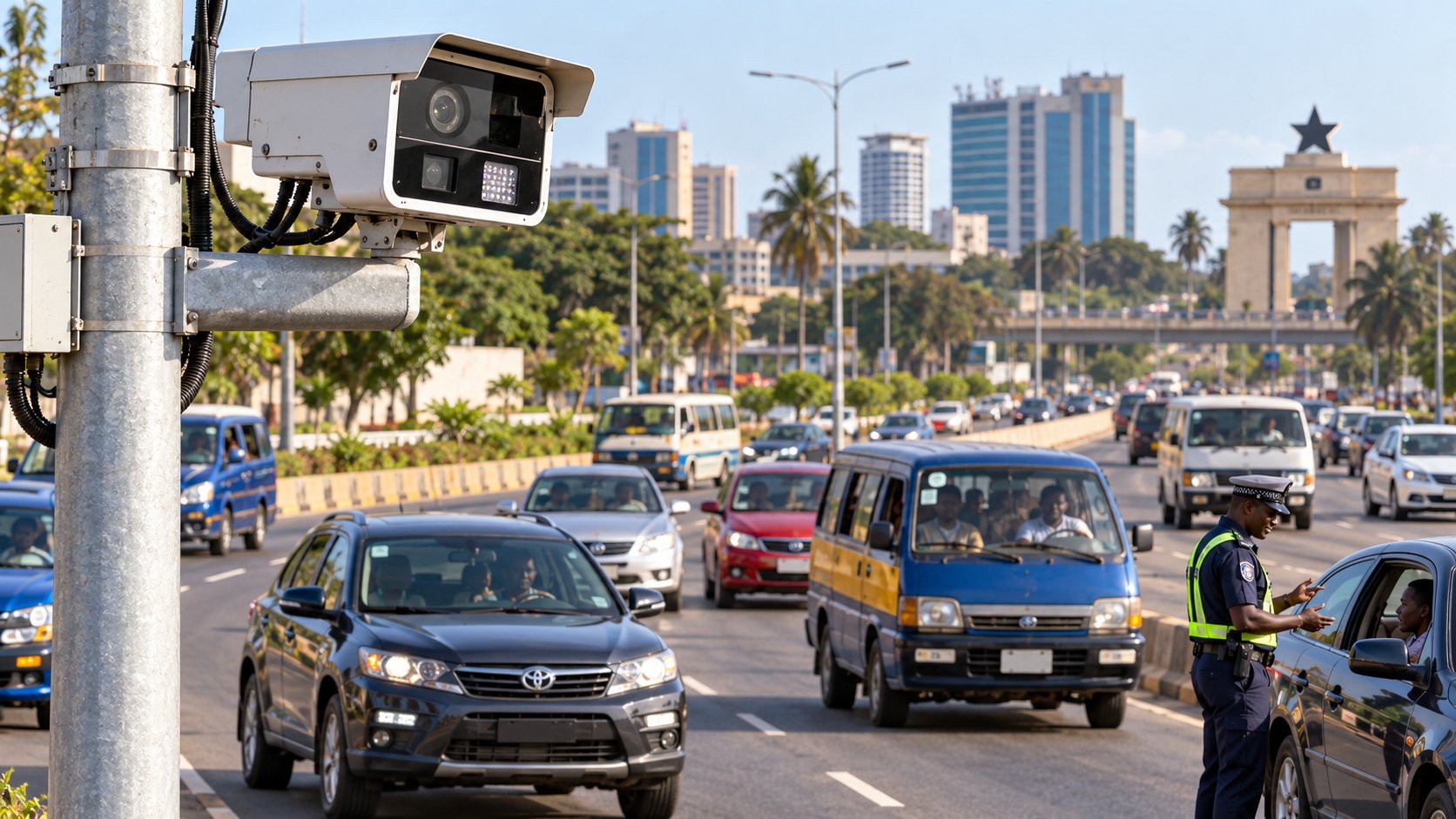
The takeaway: a tint is not judged just by appearance or by a percentage printed on the roll. Know which pane you have tinted, verify its measured light transmission and check the current DVLA requirement before paying for dark film. This offence should not be confused with the graduated TRAFFITECH-GH camera notice schedule for offences detected by traffic enforcement devices.
Sources
D/Sgt. Nana Kwadwo Otibu-Gyan, Ghana Police Service Legal and Prosecution Unit, L.I. 2519 offence breakdown; Road Traffic Regulations, 2012 (L.I. 2180), Regulation 67; Ghana Revenue Authority, penalty-unit value.
Reader conversation
What do you think?
Like this article or add your voice to the discussion. Comments are reviewed before publication.
Comments 0
Loading comments…