
The Final Whistle for a Legend: Lionel Messi Retires from International Football
Lionel Messi has ended his extraordinary Argentina career after 207 appearances, 125 goals and the World Cup triumph that completed one of football’s greatest stories.
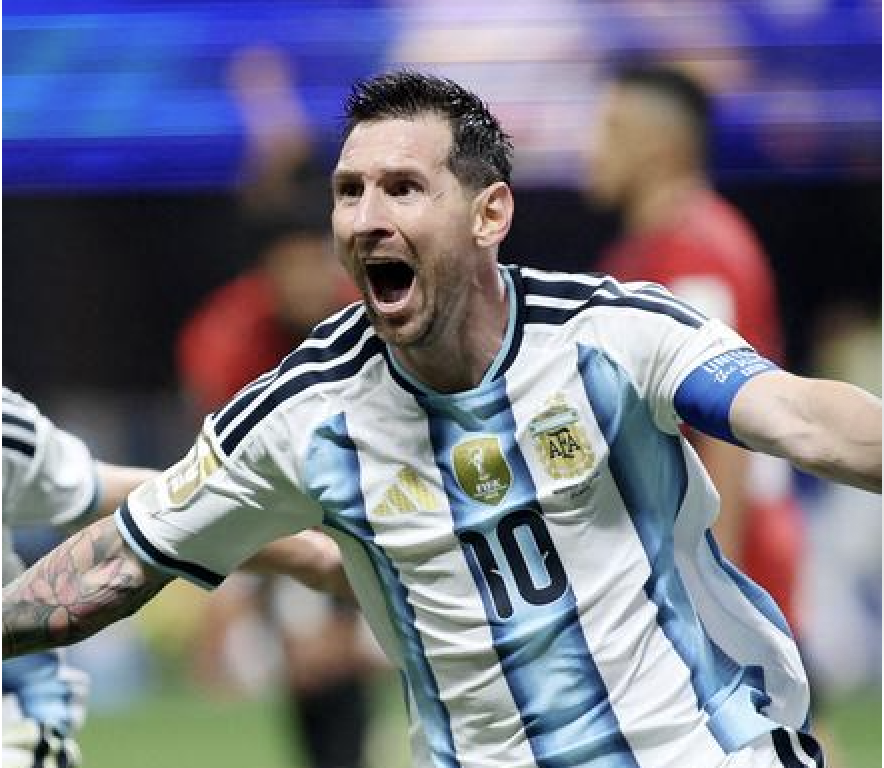
There are footballers who win matches, footballers who win trophies and footballers who change the way the game is remembered. Lionel Andrés Messi belongs to that rarest final group.
On Monday, 31 August 2026, the Argentina captain announced his retirement from international football, bringing down the curtain on a 21-year journey in the sky-blue and white shirt. He leaves as Argentina’s most-capped player and record goalscorer, with 207 appearances and 125 goals.
His final international match was Argentina’s 1–0 defeat to Spain in the 2026 FIFA World Cup final. It was not the farewell victory many would have scripted for him, but Messi’s international legacy had long since moved beyond the result of one match.
Messi did not merely play for Argentina. He carried its expectations, endured its disappointments and ultimately delivered its greatest footballing joy in a generation.
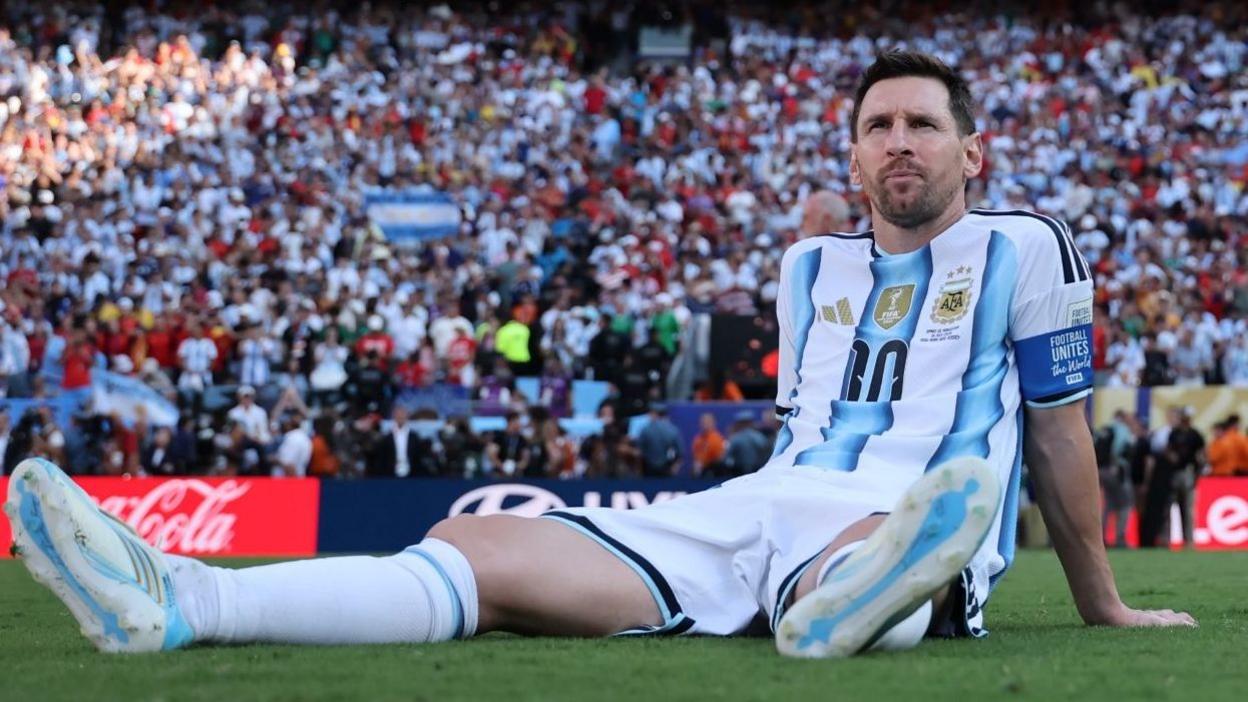
A painful goodbye
In an emotional message shared on Instagram, the 39-year-old said the decision continued to hurt him but that he understood the time had come. He reflected on having given everything for the national shirt—during the glorious years and throughout the long period when success seemed determined to escape him.
That distinction matters. It is easy to celebrate Messi now, after the medals, parades and unforgettable images. His greatness, however, was also forged in the years when he returned again and again despite criticism, heartbreak and the crushing weight of comparison with Diego Maradona.
From a difficult debut to the summit of the world
Messi made his senior Argentina debut in 2005 at the age of 18. It lasted only a few minutes before he was sent off, an extraordinary beginning to an international career that would eventually become the most decorated in his country’s history.
For years, his brilliance at club level was used against him whenever Argentina fell short. He lost the 2014 World Cup final and suffered repeated Copa América disappointments. After defeat in the 2016 Copa América Centenario final, he briefly announced his retirement from international football. Yet he returned—not because the burden had become lighter, but because his bond with the national team remained too deep to abandon.
The rewards finally came. Messi captained Argentina to the 2021 Copa América, ending the country’s 28-year wait for a major senior title. He then lifted the Finalissima in 2022 before producing the crowning achievement of his career: leading Argentina to victory at the 2022 FIFA World Cup in Qatar.
That triumph transformed an already magnificent career into a complete footballing story. The image of Messi raising the World Cup became more than a sporting photograph; it was the release of decades of Argentine longing and the vindication of a player who had never stopped trying.
Another Copa América title followed in 2024. In 2026, at 39, he led Argentina to yet another World Cup final. Even in defeat, reaching the final for the third time in his career underlined his extraordinary longevity.
Numbers that only tell part of the story
The statistics are historic: 207 appearances, 125 goals, six World Cups, one World Cup title, two Copa América crowns and a Finalissima. Add his Olympic gold medal from 2008 and the record becomes even more remarkable.
Yet numbers cannot fully describe the experience of watching Messi. They do not capture the sudden change of pace, the ball seemingly attached to his left foot, the passes seen before anyone else imagined them or the quiet authority with which he eventually led his country.
He was not the loudest captain. His leadership emerged through persistence, performance and presence. Teammates fought for him because they had watched him absorb years of national disappointment without withdrawing his commitment.
The end of an era, not the end of Messi
Messi’s retirement applies to international football; he continues his club career with Inter Miami. But an Argentina team without its number 10 will inevitably feel different. A generation has grown up measuring major tournaments by his presence, his goals and his pursuit of the one trophy that once appeared beyond his reach.
For Argentina’s younger players, his departure creates both an absence and a responsibility. They inherit a national team restored to the summit and a standard of commitment established by a captain who experienced almost every possible emotion in football.
For supporters around the world, gratitude should outweigh sadness. Football was fortunate to witness a player of such imagination and consistency, and Argentina was fortunate that—despite every painful defeat—he kept returning until the story found its triumphant ending.
Lionel Messi leaves international football not simply as a champion, record-holder or global icon, but as the central figure in one of sport’s greatest stories of perseverance. The shirt will be worn again. The number 10 will appear again. But there will never be another journey quite like his.
Sources
This tribute draws on Messi’s retirement statement and reporting by Reuters, The Guardian and ESPN.
Reader conversation
What do you think?
Like this article or add your voice to the discussion. Comments are reviewed before publication.



Comments 0
Loading comments…