Jason Arday Found Dead at 41 After Plagiarism Row: The Lessons Universities Cannot Ignore
Former Cambridge professor Jason Arday has been found dead at 41. Beyond the academic controversy, his story leaves urgent lessons about integrity, accountability and humane scrutiny.
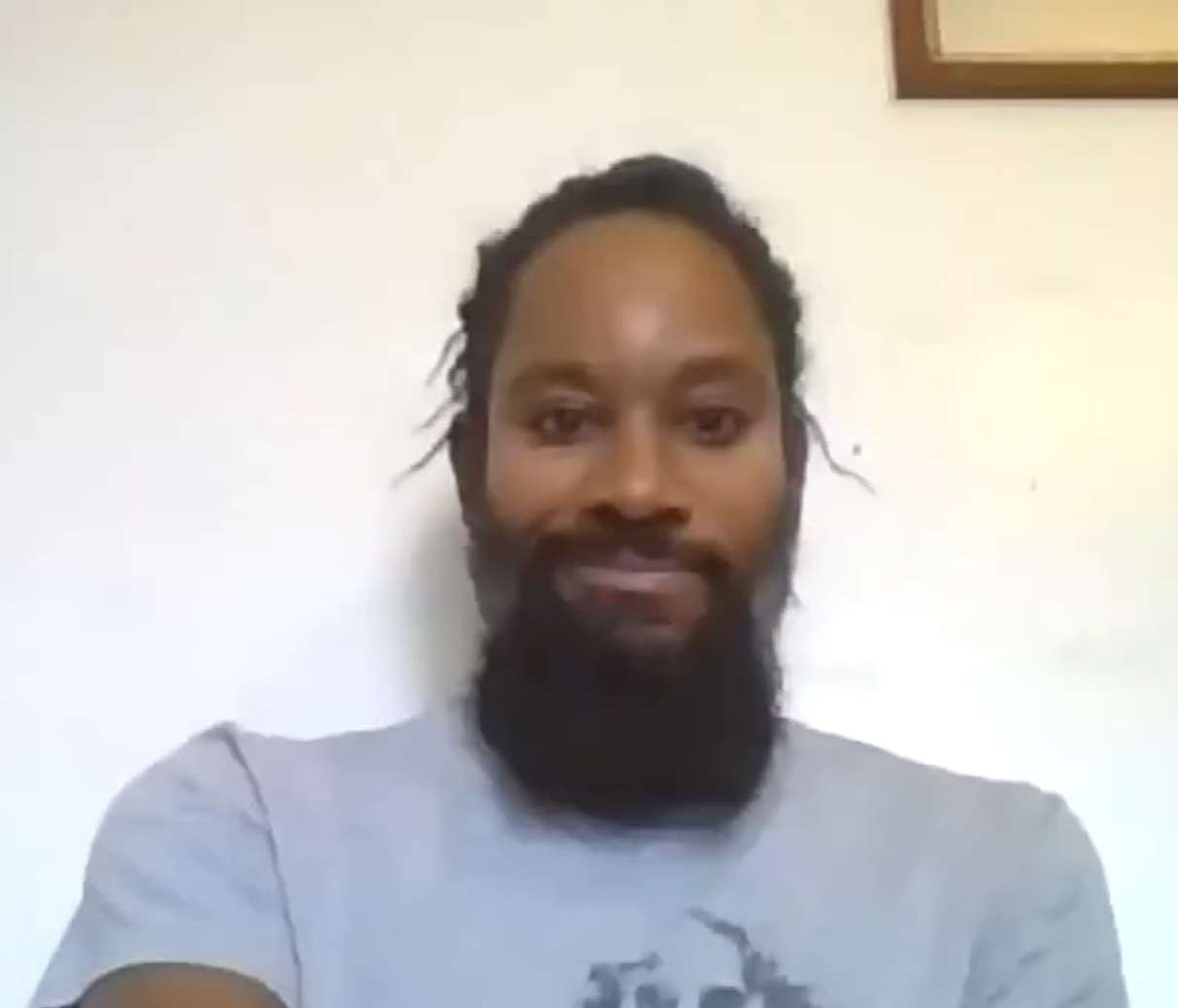
Jason Arday, the British sociologist who became the youngest Black professor appointed at the University of Cambridge, has been found dead at his home in south London. He was 41.
Police said his death is being treated as unexpected but not suspicious. A file is being prepared for the coroner. No official cause has been announced, and it would be irresponsible to speculate about any connection between his death and the controversy surrounding his career.
Arday resigned from Cambridge and Jesus College earlier this month after renewed scrutiny of his academic work, qualifications and public biography. Cambridge had opened investigations into new information about his academic record, while separate complaints concerning alleged research misconduct were also being considered.
He denied committing plagiarism, although he acknowledged that mistakes had appeared in his doctoral thesis. Liverpool John Moores University, which awarded his PhD, previously did not uphold plagiarism allegations and attributed identified problems to honest and reasonable error. The newer Cambridge inquiries had not reached a public conclusion before his death.
Arday’s appointment in 2023 had been celebrated as a landmark. His work addressed race, education and neurodiversity, and his account of overcoming major childhood learning and communication difficulties inspired many people. In recent months, however, allegations and questions about elements of his work and personal story triggered intense media and online attention.
Academic standards must be defended, but accountability should never become a licence for harassment, humiliation or trial by social media.
Lessons academia must learn
- Integrity must be built into every stage of academic work. Researchers must cite sources accurately, maintain reliable records and correct errors openly. Seniority or an inspiring public profile should never place anyone beyond scrutiny.
- Institutions must conduct proper checks before appointments. Universities should verify qualifications, publications and professional claims consistently rather than relying heavily on reputation or media narratives.
- Allegations require fair and timely investigation. Claims should be assessed using evidence, established procedures and a genuine right of response. Public accusations are not substitutes for completed findings.
- Criticism must remain humane. Questions about scholarship can be rigorous without becoming personal abuse. Employers, colleagues, journalists and social-media users should remember that a human being and a family remain at the centre of every controversy.
- Welfare support must accompany misconduct processes. Universities need confidential mental-health and pastoral support for complainants, respondents and affected colleagues throughout difficult investigations.
Jason Arday’s death is first and foremost a human loss. The responsible response is neither to erase legitimate questions nor to treat tragedy as proof of any disputed claim. Academia must be capable of protecting standards, establishing facts and preserving human dignity at the same time.
Sources
This report draws on reporting by Sky News, The Guardian, Associated Press and official statements from the University of Cambridge.